

The latest session of the Supreme Court has dealt a blow to Democrats and the Deep State just because their actions violate the Constitution, but Democrats will claim that conservatives on the court have gone rogue. The abuse the J6 political prisoners have suffered at the hands of Democrats by being overcharged with a noncrime that has added years to the sentences of many of them, many of whom were nonviolent protesters, has been overturned, and the Democrat’s war on fishermen has been ended.
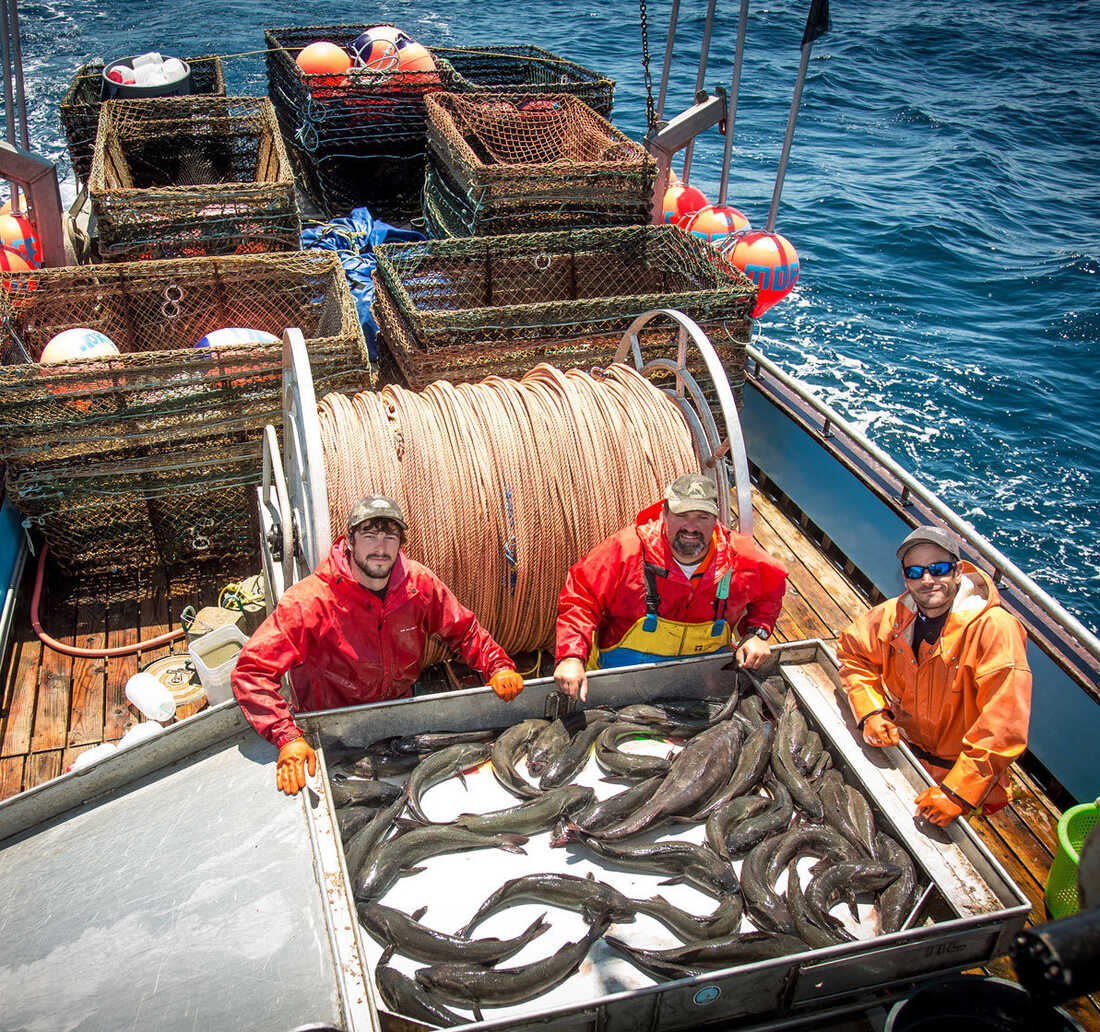
Fishermen were forced to pay “observers” seven hundred dollars a day on fishing trips that could last up to three days in an industry where success is never a sure thing. That’s twenty-one hundred dollars, which could drive many fishermen into bankruptcy, which may have been the plan in New England. Action such as these are coming from government agencies, despite the fact they do not legitimately have the power to do so. They “reinterpret” laws and regulations in ways never imagined by legislators to fit their political agenda.
Justice John Roberts wrote:
“Chevron is overruled. Courts must exercise their independent judgment in deciding whether an agency has acted within its statutory authority, as the [Administrative Procedure Act] requires.”
“Perhaps most fundamentally, Chevron’s presumption is misguided because agencies have no special competence in resolving statutory ambiguities. “Courts do.”
Justice Elena Kagan wrote in the dissent that the majority:
VISIT OUR YOUTUBE CHANNEL“Its justification comes down, in the end, to this: Courts must have more say over regulation over the provision of health care, the protection of the environment, the safety of consumer products, the efficacy of transportation systems, and so on. A longstanding precedent at the crux of administrative governance thus falls victim to a bald assertion of judicial authority.”
The Supreme Court handed small fishing companies a victory Friday in their lawsuits against the National Oceanic and Atmospheric Administration (NOAA), overturning a decades-old precedent that expanded the power of the administrative state.
Siding 6-3 with the fishermen, the Supreme Court reversed its 1984 landmark case, Chevron v. Natural Resources Defense Council, which lower courts relied on to uphold NOAA’s rule forcing companies to doll out $700 per day — around 20% of their revenue — to pay the salaries of federally mandated on-board observers. The principle of Chevron deference, rooted in the landmark case, instructed courts to defer to reasonable agency interpretations of statutes when the language is ambiguous.
Small fishing companies sued NOAA after the agency required businesses to pay for the on-board monitors based on its interpretation of the Magnuson-Stevens Act (MSA), the law governing fishery management. In both Loper Bright Enterprises v. Raimondo and Relentless, Inc. v. Department of Commerce, lower courts deferred to the agency’s interpretation of the law, citing the Chevron ruling.
Roberts called Chevron “a judicial invention that required judges to disregard their statutory duties.”
Critics of Chevron argued the doctrine, in practice, enabled agencies to assert their interpretations of the law without resistance from the judiciary, giving the government the automatic upper hand when challenged in court and raising significant separation-of-powers concerns.
New England Fishermen’s Stewardship Association (NEFSA) highlighted the burden NOAA’s rule placed on businesses in an amicus brief. The short training sea monitors receive does not equip them for the rough conditions on board, the association argued, creating safety concerns and forcing crews to shoulder the burden.