


Many of you may not be aware of the Chevron Doctrine. That case was decided by a liberal court and it stated that in court cases, the government agencies hold the advantage no matter what the circumstances of the case might be.
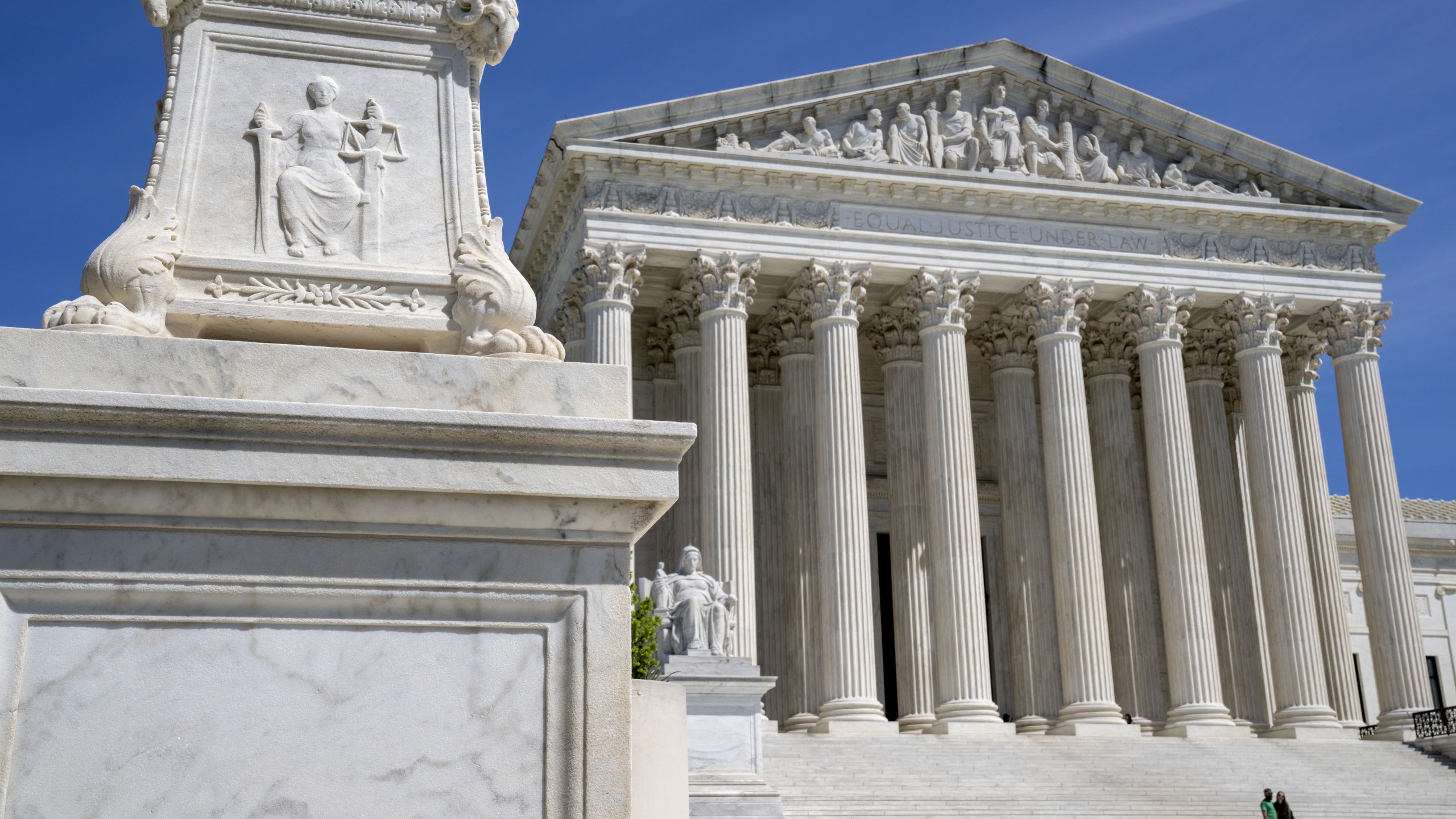
The Supreme Court will now review that decision in the court case Loper Bright Enterprises vs. Raimondo. The Chevron Doctrine granted broad powers to the bureaucratic state to interpret vague, often narrow statutes with near zero accountability.
…Here is the question: “whether the Court should overrule Chevron or at least clarify that statutory silence concerning controversial powers expressly but narrowly granted elsewhere in the statute does not constitute an ambiguity requiring deference to the agency.”
— Jonathan Turley (@JonathanTurley) May 1, 2023
Here’s a quick explainer on the Chevron Doctrine via Cornell Law School.
VISIT OUR YOUTUBE CHANNELOne of the most important principles in administrative law, the “Chevron deference” was coined after a landmark case,Chevron U.S.A., Inc. v. Natural Resources Defense Council, Inc., 468 U.S. 837 (1984). The Chevron deference is referring to the doctrine of judicial deference given to administrative actions. In Chevron, the Supreme Court set forth a legal test as to when the court should defer to the agency’s answer or interpretation, holding that such judicial deference is appropriate where the agency’s answer was not unreasonable, so long as Congress had not spoken directly to the precise issue at question.
The scope of the Chevron deference doctrine is that when a legislative delegation to an administrative agency on a particular issue or question is not explicit but rather implicit, a court may not substitute its own interpretation of the statute for a reasonable interpretation made by the administrative agency. Rather, as Justice Stevens wrote in Chevron, when the statute is silent or ambiguous with respect to the specific issue, the question for the court is whether the agency’s action was based on a permissible construction of the statute.
In other words, lower courts have been bound by former Justice Stevens’ assertion that “reasonable interpretations” of statutes by administrative agencies are not to be overturned by the courts. But, what is reasonable?
Evidently, it is anything a government agency wants it to be. Sometimes reasonable is most unreasonable, which allows federal agencies to twist the meaning of laws like a pretzel without an inkling of accountability.
That’s how you get the ATF banning bump stocks despite there being no actual statutory allowance for such a violation of personal freedom. It’s also how you get the lion’s share of environmental regulations, including literal puddles in backyards being hit with ridiculous, costly EPA enforcement. The federal government has been completely out of control for decades, and the Chevron Doctrine has been at the heart of many of the abuses.
Now, the Supreme Court is poised to overturn the doctrine at some major level. Justice Ketanji Brown Jackson is already recused from the case, meaning that the conservatives don’t have to deal with one of the most liberal justices in oral arguments and deliberations.
On that front, most of the conservatives on the court have already signaled a willingness to curb the power of the bureaucratic state by rolling back the Chevron Doctrine.
So while 2024 presidential candidates all make mostly unenforceable promises to roll back administrative overreach, this coming SCOTUS decision is, by far, the most probable way that actually gets done. The story won’t get weeks of headlines because it’s not sexy, but it’s incredibly important.
A rollback of administrative agency power would positively impact American lives more than almost any policy Congress or a president could institute. It would send shockwaves throughout the federal government.


