





Pennsylvania Governor Josh Shapiro just signed the CROWN Act into law. The whole point of this thing is to stop discrimination based on hairstyle, type, or texture. The state gave the law a very grand official name, “Creating a Respectful and Open World for Natural Hair,” which sounds like something cooked up in a very serious conference room full of people trying too hard. It should be called the CLOWN Act.
The argument behind the law is simple. State officials claim certain hairstyles have been used as reasons to treat people unfairly in workplaces and schools. Shapiro insists this type of discrimination still happens in Pennsylvania. He put it this way: “Real freedom means being respected for who you are – no matter what you look like, where you come from, who you love, or who you pray to…For too long, many Pennsylvanians have faced discrimination simply for hairstyles that reflect their identity and culture – that ends today.” He said that during the bill signing, while acting like he had just solved the state’s biggest crisis.
I have to ask a simple question. Who is actually being denied a job in Pennsylvania because of a hairstyle? Where are these massive numbers of people who cannot get hired because of the way their hair looks? The politicians pushing this thing make it sound like a statewide crisis, yet no one ever seems able to show any real evidence.
And now we have a brand new law that strips authority away from private business owners. That is the part no one in Harrisburg seems interested in discussing. A business owner has every right to decide how his employees represent his company. Appearance matters in the real world. Every company tries to put its best face forward because that is how you make money, stay in business, and everyone gets to keep their job.
If someone walks in with a hairstyle so outrageous that it hurts the image of the company, why should the government force an employer to ignore that? The mission of every business is to make a profit. You cannot do that when the state steps in and tells you your own standards do not matter. And that is the biggest problem with this law. It tramples over the rights of the people who actually built and run these businesses.
What if a guy with clown hair walked in for an interview to be on the company’s sales force, and they don’t manufacture circus products? According to Josh Shapiro, a company would be discriminating against him because of how he looks.
VISIT OUR YOUTUBE CHANNEL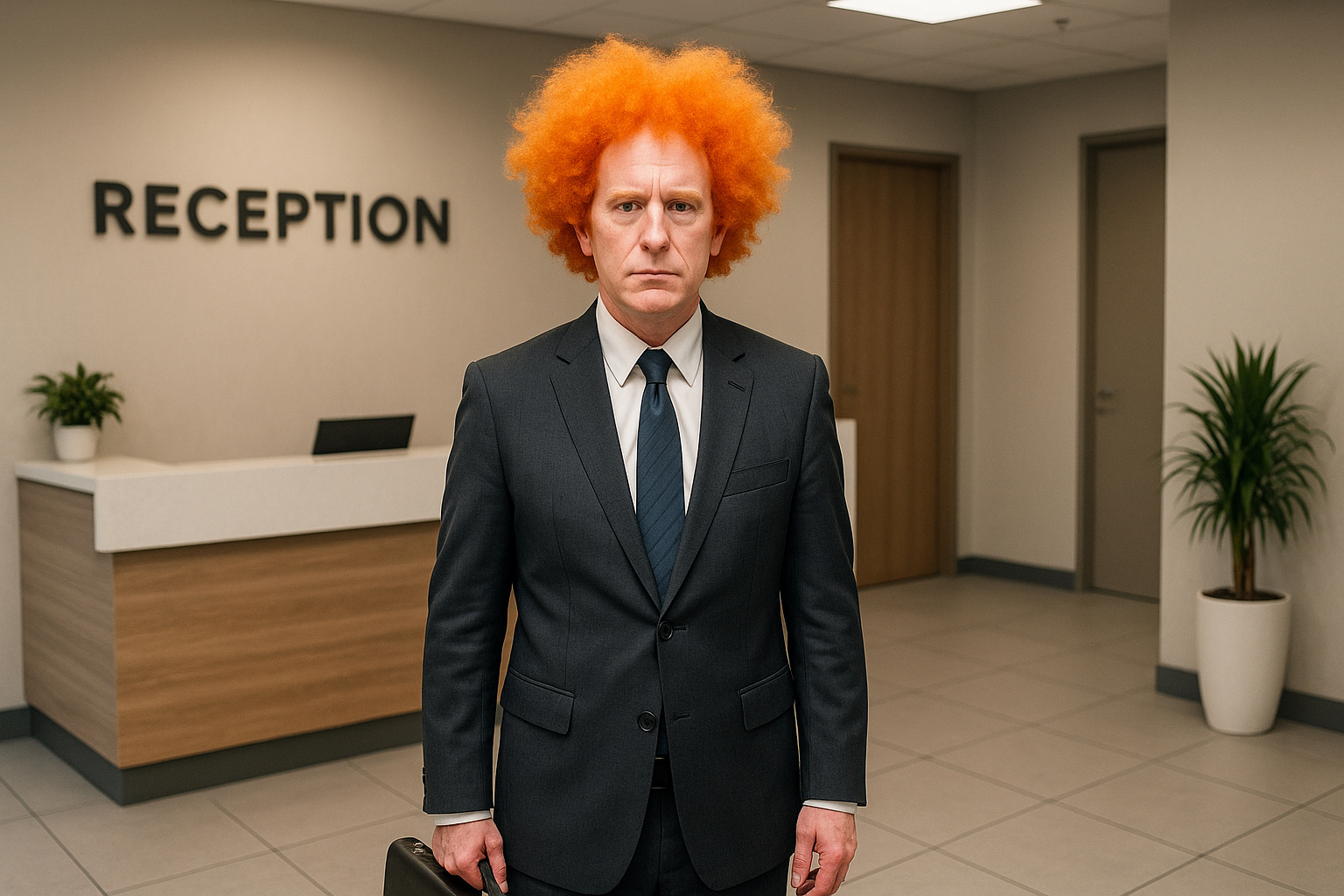
They used to say things like, “He has discriminating tastes.” Now, thanks to our woke governor, apparently, that qualifies as a criminal offense.
Supporters believe the law answers real problems. They point to situations where people supposedly faced negative treatment because of their hair. My response would be that if you face a hiring problem because of your hair, then fix your hair so that you get the job.
PA House Speaker Joanna McClinton thinks the law will keep employers focused on job performance instead of appearances. She put it like this: “This is going to help people by making sure that, wherever you work, or wherever you’re applying for a job, they can’t look at your hair and size you up – not based on your qualifications and all of the professional development you have and all of your education.”
Everyone knows what comes next. Someone gets passed over because they have zero job experience, and suddenly it turns into “the boss hated my hairstyle.” You can already hear the lawyers warming up their engines for that payday.
Then she added extra emphasis. “They will not look at your hair and decide you can’t work here. They will not look at your hair and decide you don’t belong in this C-suite. They will not look at your hair and say, ‘you can’t be in the boardroom.’”
U.S. Rep. La’Tasha D. Mayes carried the bill, and she represents parts of Pittsburgh. She also lived in West Philadelphia, which she mentions often. She said the law is supposed to address what she called harmful experiences tied to bias. In her words: “Hair discrimination has taken confidence from our children, but that ends today.”
She continued with more examples. “Hair discrimination has taken dignity from workers, but that ends today. It has taken access to economic opportunities, hopes and dreams, but that begins to end today.”
WATCH:
“Hair discrimination” is now illegal in Pennsylvania
I can’t believe this is realpic.twitter.com/GAWKMuuepj
— Libs of TikTok (@libsoftiktok) November 26, 2025
I truly hope Pennsylvania business owners take this to court and make the case that they, not the government, have the right to decide who represents their companies. The state has no authority to dictate hiring decisions based on hairstyles, especially in positions that involve direct contact with paying clients. Hiring should reflect the standards of the business, not the political ambitions of elected officials. This has nothing to do with hiring based on race, creed, color, or personal relationships. Those are fixed parts of who someone is. Hairstyles are not. Hair can be changed, and if someone wants a job, they should meet the standards of the business. The burden should not fall on a company to adjust its image to accommodate a candidate who insists on showing up with what can only be described as freaky deaky hair. If that ever became the norm, the office break room would end up looking like the bar scene from Star Wars.
My slippery slope argument would be: if the Democrats get away with this, imagine how many new excuses lawmakers will find to slip deeper into the operations of private businesses until state capitals are practically running them from the inside.
The push follows a nationwide pattern as more states jump on board with laws that dictate appearance standards in workplaces and schools. Shapiro and the lawmakers applauding behind him insist these measures are needed because they believe hidden, unseen discrimination is still happening. Yet no one seems willing to address the actual unequal treatment here. What about the business owners who lose the basic right to run their own companies? Who protects them when the state steps in and decides their standards no longer matter?
The bigger debate is pretty simple. We already have decades of equality laws on the books, but here comes the CROWN Act, dressed up like some grand civil-rights milestone when it looks more like political branding than anything backed by real evidence. Employers now have to wonder how they are supposed to enforce basic workplace standards without stepping on one of these new landmines.
And you can already picture what happens next. A parade of applicants with zero skills and hairstyles that look like they lost a bet will stroll into job interviews hoping they get rejected, just so they can speed-dial their favorite shyster lawyer. As always, the Democrats have created another real mess.
Another question floating around involves enforcement. Someone would have to prove hair was the actual reason for an employment decision, and that type of proof does not exactly fall from the sky.
The timing is interesting. Data from the Equal Employment Opportunity Commission shows that out of roughly 130,000 race-based cases each year, a small number involve hair-related claims. The law still puts Pennsylvania on the list of states choosing to regulate appearance rules in public institutions and workplaces.
It may look to some as though Josh Shapiro just fixed a major problem, yet the reality is very different. In trying to score a political win, he has created a whole new set of problems for people who have done nothing wrong. And that’s another perfect example of why voting Republican means you never have to say you’re sorry.
#pennsylvania #shapiro #crownact


