





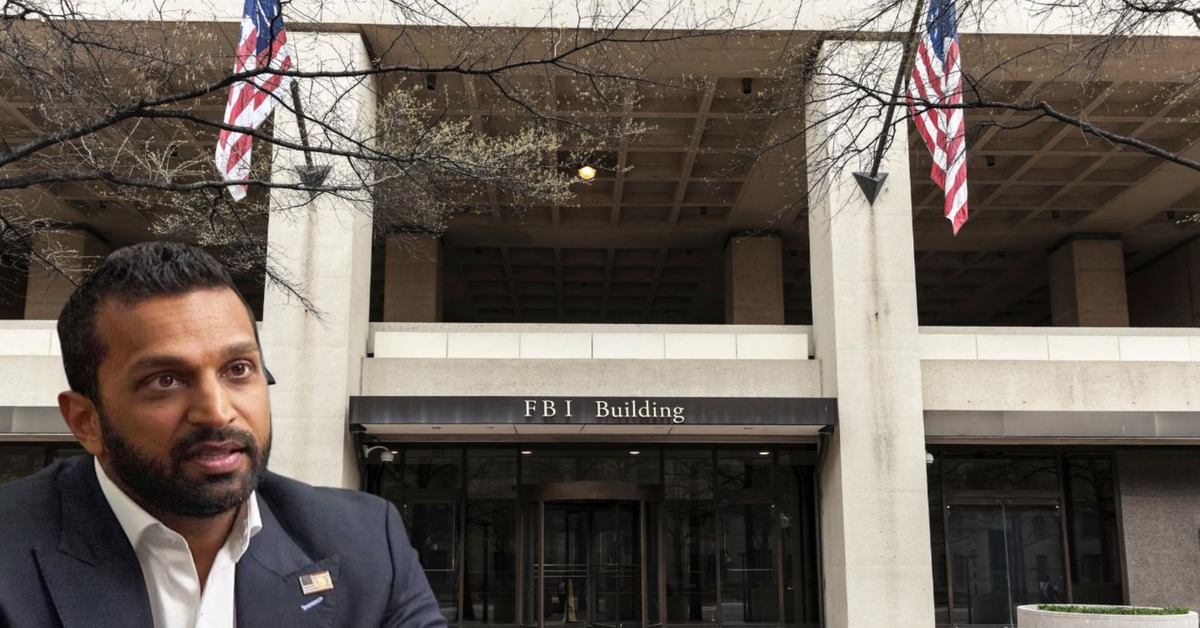
Kash Patel, Donald Trump’s nominee for FBI Director, has pledged to shut down the FBI’s iconic Hoover Building on day one, transforming it into a “museum of the deep state.” Whether hyperbolic or not, this dramatic gesture underscores Patel’s broader vision to decentralize and reform the FBI, sending its 7,000 Washington-based employees nationwide to focus on fieldwork.
For Trump and his supporters, such reforms are long overdue. Many argue that the FBI has strayed far from its mission as a law enforcement agency, getting into domestic politics. This belief stems from years of controversies, including FBI officials discussing an “insurance policy” against Trump’s 2016 election, illegal spying on Trump campaign associates and surrogates, and the infamous Steele dossier scandal funded by Trump’s political opponents.
Special Counsel investigations and inspector general reports have validated much of the criticism. For example, FBI personnel admitted to relying on politically motivated leads without proper scrutiny. The misuse of FISA warrants, questionable surveillance practices, and politically charged investigations—spanning both the left and right—paint a damning picture of an agency many feel is out of control.
The FBI’s involvement in political matters is not new. Under J. Edgar Hoover, the agency wiretapped civil rights leaders, discredited activists, and disrupted political movements like the Black Panthers. While reforms in the 1970s aimed to curb such abuses, the post-9/11 era saw the FBI regain expansive powers, leading to new controversies.
The FBI’s priorities have shifted dramatically over the decades. When Trump entered the political arena, the agency treated him as a hostile entity, further fueling calls for reform. Critics argue the FBI’s leadership, particularly in Washington, is packed with political appointees detached from the agency’s core mission of policing.
Patel’s track record suggests he is no stranger to controversy. Described by some as a “Zelig figure” in Trump’s battles with the intelligence community, Patel played a key role in exposing the origins of the Russia collusion investigation. His work with former Congressman Devin Nunes led to the now-validated Nunes memo, which revealed the FBI’s misuse of the Steele dossier in obtaining surveillance warrants.
VISIT OUR YOUTUBE CHANNELDespite his commitment to reform, Patel’s comments about potentially targeting reporters have raised concerns. While such actions would likely be pursued through legal channels, many civil libertarians worry about the broader implications of politicizing media scrutiny. Many others believe it is not politicizing when the media abuse their First Amendment right of Freedom of the Press when media people blatantly go political, forgetting that journalism is supposed to be unbiased. Many of the media’s biases create problems for the country that otherwise wouldn’t happen.
Many believe the current FBI director, Christopher Wray, has lost his way, no longer adhering to the mission of the bureau. He has allegedly been involved in many scandals and cover-ups to cover for the deep state’s shenanigans.
Reforming the FBI is no small feat. The agency’s vast bureaucracy, entrenched political culture, and powerful Washington office present significant obstacles. Yet, many rank-and-file agents reportedly support a return to traditional policing, free from the political entanglements that have marred the bureau’s reputation.
Patel’s vision includes decentralizing the FBI’s operations, empowering regional offices, and increasing oversight of FISA processes. These changes, if implemented, could help curb the abuses that have plagued the agency in recent years. However, critics worry about the potential for new abuses if reforms are not carefully executed. The critics now know how the rest of the country feels about the current environment at the FBI.
The future of the FBI hangs in the balance. Whether Patel’s nomination leads to meaningful reform or further politicization remains uncertain. However, one thing is clear: the FBI’s current trajectory is unsustainable. The agency’s unchecked power threatens the very foundations of democratic governance.
For those on both sides of the political spectrum, the stakes are high. Will the FBI’s past mistakes serve as a cautionary tale, or will history repeat itself? The answer lies in the hands of lawmakers, reformers, and, ultimately, the American public. I for one am betting on Trump and Patel because they have seen the corruption firsthand.
#fbireform #kashpatel #trumpnominee



We’re a bunch of volunteers and starting a brand new scheme in our community. Your website provided us with valuable information to paintings on. You’ve done an impressive process and our whole group will probably be thankful to you.