

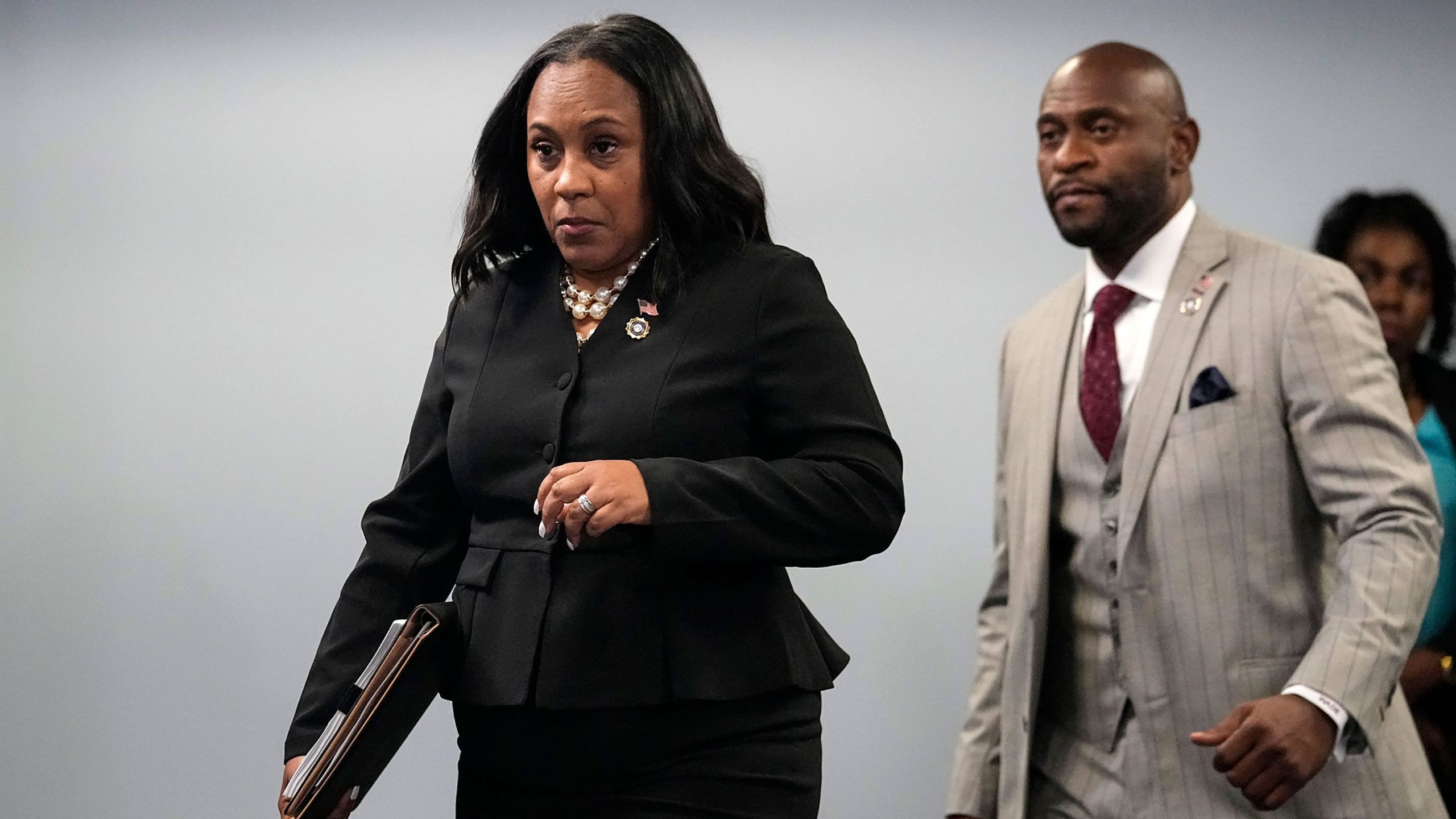
Fani Willis once had dreams of being a liberal hero, but now she is nothing more than a common zero. First, she was mired in her own corruption, and now she has been overwhelmed by the US Constitution. SCOTUS has ruled, justifiably, that presidents have immunity when they act in their official capacity. That one ruling has destroyed all hope for Wills. That is because everything she has accused Trump of falls into the category of his official purview.
On Monday, the U.S. Supreme Court ruled in a 6-3 decision that former presidents have absolute immunity for their official acts but no immunity for private acts. Democrats are now saying that the ruling will allow President Trump to assassinate his opponents. Many people claim that the Democrats are intentionally lying about what SCOTUS ruled, but I just chalk it up to total ignorance on the part of the likes of Joy Reid, America’s bartender AOC, and mental midget Maxine Waters. Assassination is not a presidential act.
Speaking to local publication the Atlanta Journal-Constitution, Atlanta defense attorney Andrew Fleischman explained that this ruling would also impact Willis’s attempt to convict President Trump in his other election interference case in Georgia. No doubt Jack Smith will not back down, but he could see his case tossed by Judge Aileen Cannon. Even before the ruling by SCOTUS, lawyers from both sides of the political spectrum have criticized both indictments and have proven you can indict a bologna sandwich.
Trump and 18 others have been accused of trying to overturn his 2020 election loss in Georgia. The Republican, who has repeatedly denied any wrongdoing, lost the state by some 12,000 votes.
“I think this does hurt the Georgia case quite a lot,” Fleischman said. “There’s not much clear guidance at all. I think Georgia courts will likely also have to apply this novel analysis, and that creates a lot of opportunity for delay.”
VISIT OUR YOUTUBE CHANNELFormer federal prosecutor John Malcolm, who also serves as vice president of the Heritage Foundation’s Institute for Constitutional Government, told the publication that Monday’s decision by the high court will make the Georgia state case and the federal election subversion cases “much, much, much more complicated.”
“The court also made it very clear that the thumb is on the scale in terms of concluding that these are official acts, that it’s the prosecution that bears the burden of demonstrating that these are not official acts,” he said.
Meanwhile, former federal prosecutor Michael McAuliffe told Newsweek that “to the extent that the Georgia state RICO case relies on acts that are core presidential duties, or at a minimum official, then the new immunity case would present a new barrier to the government’s prosecution.”
He added: “Given the narrative overlap between the federal January 6th case and the Georgia state case, the state judge will likely follow the federal judge’s determinations.”
After its Monday ruling, the Supreme Court has sent the Department of Justice case back to a lower court in Washington, D.C., to determine what constitutes an official act.
This is likely to delay the case, meaning it is less likely it will go to trial before the November election. Legal experts have suggested Trump could dismiss the charges in the case if he wins the election.
The Fulton County district attorney’s office previously declined to comment on Monday after Newsweek reached out via email.