





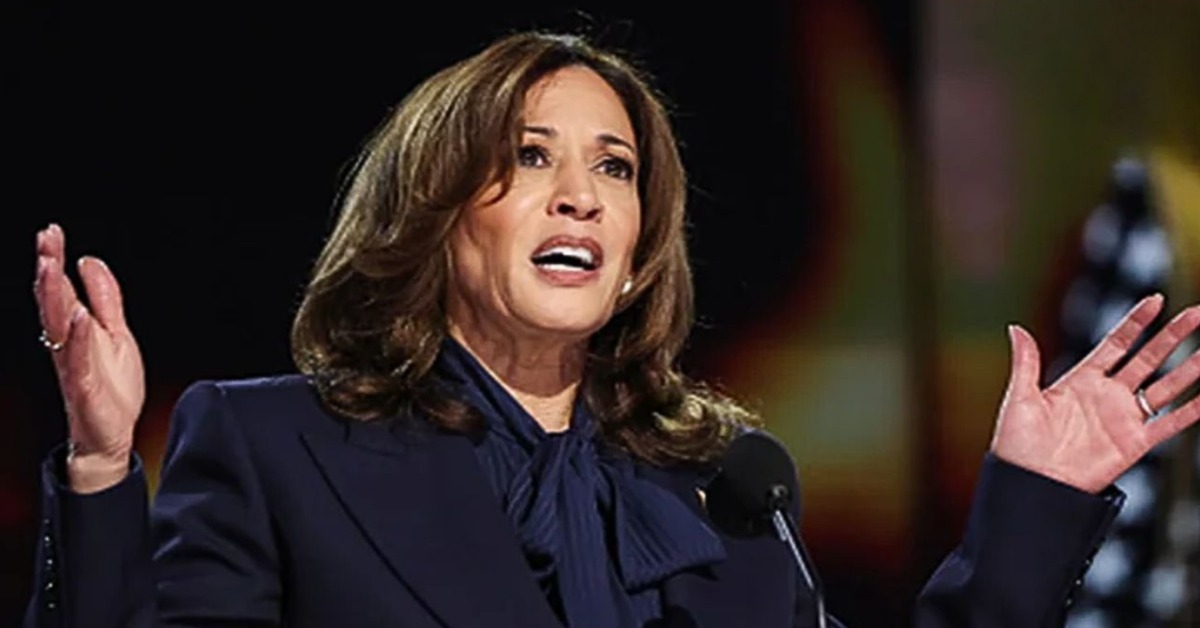
In recent years, Kamala Harris has been trying to sell Americans on what she calls an “opportunity economy.” She claims that as someone who grew up in a middle-class family, she presents herself as an advocate for the average American. In reality, she has lost touch with average Americans.
This idea of an “opportunity economy” seems more about serving the interests of the elitist class than supporting the hardworking middle-class families she claims to represent.
What exactly does the “opportunity economy” entail? Harris says it’s about providing equal opportunities for everyone to thrive. Yet, there’s a stark contrast between her vision and the reality faced by many Americans today. While she talks ad nauseam about ambition, dreams, and aspirations, critics argue that her economic policies have led to increased inflation and a struggling middle class. They point out that her tenure as Vice President has not yielded the promised results, leaving many to wonder if the “opportunity economy” is nothing more than a hollow term.
Kamala doesn’t give the details of her opportunity economy plans because she doesn’t know herself. She is speaking in a flowery gobbledygook. Some call it word salad.
Contrasting Economic Visions: Harris vs. Trump
One of the main criticisms of Kamala Harris’s economic policy is the lack of tangible results. In contrast, Donald Trump’s economic policies are often highlighted for their straightforward approach. Trump talks about closing the border, drill baby drill, and cutting taxes—all concrete actions that most people can understand and have seen work in the past. Trump’s rhetoric focuses on real-world outcomes for real-world problems that directly impact the everyday lives of Americans. Americans want a lower cost of living.
While Trump’s approach resonates with many, Harris’s rhetoric feels vague and disconnected from the realities faced by American families and small businesses. She often speaks in broad terms about aspirations and ambitions, but these ideas haven’t translated into actual relief or opportunity for most people.
VISIT OUR YOUTUBE CHANNELA Closer Look at the Real Beneficiaries
The issue with Harris’s “opportunity economy” is that it appears to primarily benefit the elite class, bureaucrats, and billionaires. Since the COVID-19 pandemic, the wealth of the richest people has grown exponentially. That was by design. 400 billionaires owned half of the world’s assets about five years ago. Today, it went down to just 100 billionaires owning half the world’s assets. Back in 10960’s, CEOs earned around 20 times as much as their average employees. Today, it’s about 350 times that.
This growing disparity isn’t just a coincidence. Critics argue that it’s the result of a deliberate strategy to consolidate wealth and power among the elites. For example, during the pandemic, government mandates led to massive financial losses for small businesses while simultaneously enriching billionaires. An example would be that while Americans couldn’t get the things they needed to live from local small businesses during the pandemic, Amazon.com saw tremendous growth in sales, thanks to the Democrats taking care of their top donors. It’s no wonder people are skeptical of Harris’s economic vision when they see their livelihoods declining while the elite class gets richer and richer.
Kamala Harris is selling Americans a bill of goods, while Donald Trump is selling real solutions to fix the country from the destruction created by Harris and Joe Biden over the last four years. The mainstream media aren’t going to point out the truthful contrasts between the two, so it is your job to do so. Reach out to your Democrat friends and try to point out how they don’t have to like Donald Trump to understand that his economic policies are sound while Kamala’s are nothing more than lies to get elected.
#KamalaHarrisEconomy #MiddleClassStruggle #PoliticalDebate


