


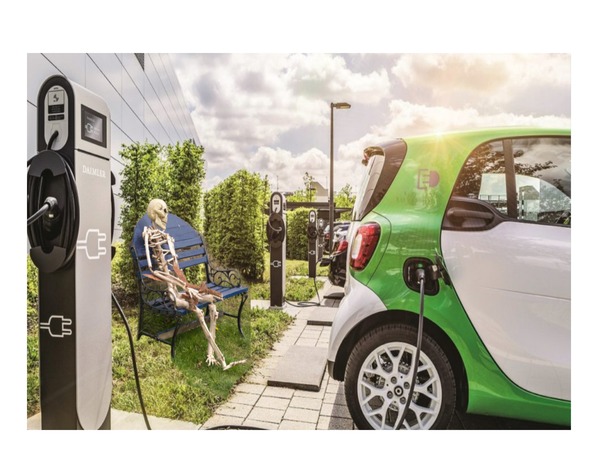
According to Argonne National Lab, 1.3 million battery electric vehicles were purchased in the United States between 2010 and 2021. Despite its size, this figure represents only a minor portion of the country’s 275+ million car and truck fleet. Despite the plug-ins, gasoline use in the United States fell by only 0.54 percent in 2021.
Over the last decade, plug-in vehicle miles in the United States have totaled approximately 70 billion, consuming 22 TWh of energy. This has saved about 2.5 billion gallons of gasoline and 19 million tons of greenhouse gas emissions. In comparison, the United States will consume approximately 369 million gallons of gasoline per day in 2021. In 2021, plug-in cars saved 690 million gallons of gasoline and reduced CO2 emissions by 5.4 million metric tons while utilizing 6.1 TWh.
The most significant increase in plug-in car sales occurred in 2021, when they more than doubled from 308,000 to 634,000 units. That should come as no surprise. According to ARSTechnica, BEV sales increased by 92% to 457,000 units, while plug-in hybrid EV sales increased by 150% to 175,000 units.
The baseline was an internal combustion engine automobile that traveled 13,500 miles (21,727 km) with 57% highway driving and 43% city driving, with the utility factor for PHEVs based on the mileage adjustment factor and battery size for BEVs based on the EPA-estimated range. Argonne expects plug-in drivers to act similarly to gasoline-powered equivalents. As a result of the epidemic, corresponding mileage reductions were made for 2020 and 2021.
Given that plug-in vehicles represent for only 1% of all light vehicles on US roads, the drop in gasoline consumption is underwhelming.
Argonne can demonstrate that EV adoption will not cause disruption because charging EVs accounted for only 0.15 percent of total US electricity demand last year. According to Argonne, while PHEV electrical range efficiency declined significantly between 2019 and 2021, BEV electrical range efficiency has decreased since 2018, which Argonne blames to the increasing weight and size of electrified SUVs.
VISIT OUR YOUTUBE CHANNELWatch this video of electric charging stations going to need more power than a sports arena or a small town. And it will be fossil fuel that they use for the energy to run them.
Subscribe to our channel by clicking HERE.